When it comes to protecting your vehicle’s paintwork, two options come up again and again: Paint Protection Film (PPF) and ceramic coating. Both are premium protection solutions, both are popular with car owners in Hamilton and the wider Waikato, and both offer impressive benefits, but they are designed to solve very different problems.
If you’ve ever wondered which one your car actually needs, you’re not alone. The answer depends on how you drive, where you park, and how much physical protection your paint really needs. In this guide, we’ll break down the real differences between PPF and ceramic coating so you can make an informed decision.
Understanding the Purpose of Paint Protection
Your vehicle’s paint is constantly under attack. Stone chips on Waikato roads, UV exposure, bird droppings, bug splatter, road grime, and poor washing techniques all slowly degrade the clear coat. Once that clear coat is damaged, paint correction becomes the only way to restore the finish, and repeated correction eventually reduces paint thickness.
This is where professional paint protection comes in. Both Pain Protection Film (PPF) and ceramic coating are designed to preserve your paintwork, maintain gloss, and protect long-term value - but they work in very different ways.
What Is Paint Protection Film (PPF)?
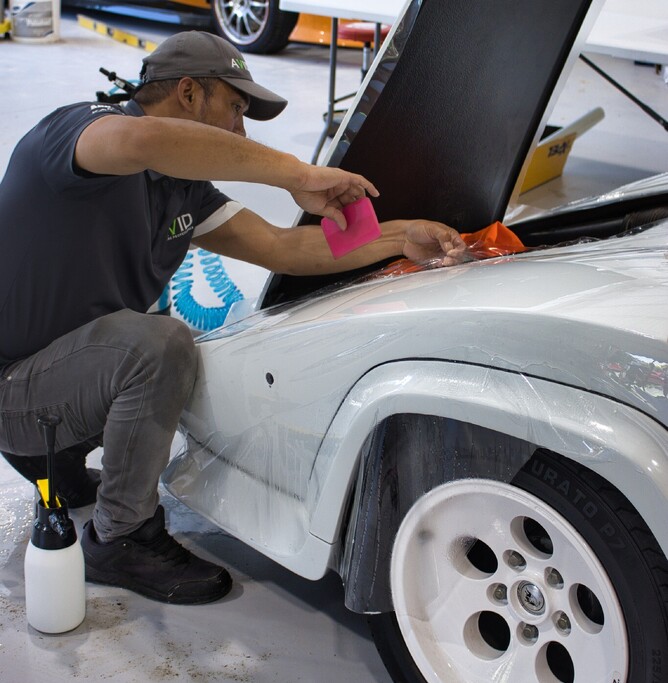
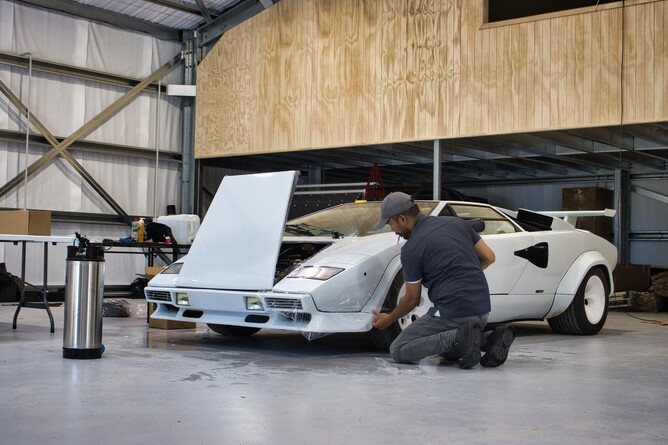
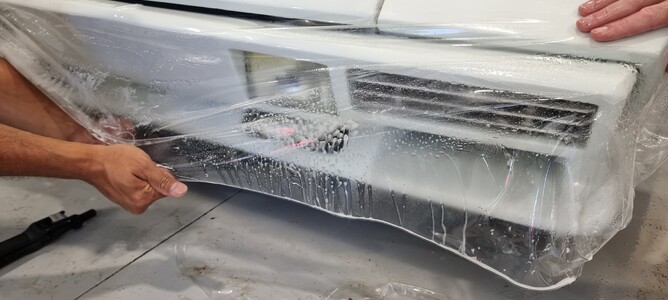
Paint Protection Film is a clear, flexible urethane film applied directly to the painted surface of your vehicle. It acts as a physical barrier, absorbing impact and preventing damage before it reaches your paint.
PPF is particularly effective against stone chips, road debris, light scratches, and abrasion from regular driving. Many modern films also feature self-healing properties, meaning light swirl marks can disappear with heat from the sun or warm water.
At Mat’s Detailing in Hamilton, PPF is precision-cut using specialised software and plotters designed specifically for your vehicle’s make and model. This allows for accurate coverage without the risks associated with hand-cutting directly on your paint.
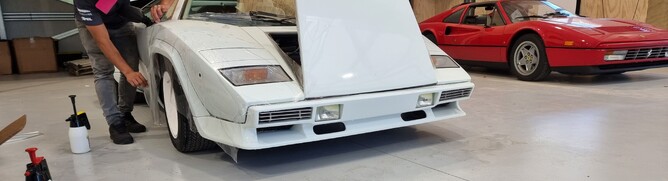
PPF is commonly applied to high-impact areas such as bonnets, front bumpers, guards, mirrors, headlights, and side skirts — or across the entire vehicle for maximum protection.
What Is Ceramic Coating?
Ceramic coating is a liquid polymer that chemically bonds to your vehicle’s clear coat. Once cured, it forms a hard, hydrophobic layer that enhances gloss and makes the surface highly resistant to dirt, chemicals, UV rays, and oxidation.
Rather than acting as impact protection, ceramic coating focuses on environmental defence and ease of maintenance. Water beads and sheets off the surface, contaminants struggle to stick, and washing becomes significantly easier.
At Mat’s Detailing, professional ceramic coatings — including advanced graphene and ceramic technologies — are always applied after proper paint correction. This ensures the coating bonds correctly and locks in a flawless finish.
PPF vs Ceramic Coating: The Real Differences
The biggest difference between PPF and ceramic coating comes down to physical protection versus surface protection.
PPF is designed to stop damage before it happens. If you do a lot of motorway driving, travel rural roads, or want to avoid stone chips entirely, PPF is unmatched. Ceramic coating, on the other hand, won’t stop a stone chip — but it will protect your paint from fading, staining, and chemical damage while keeping it glossy and easy to clean.
Durability also differs. High-quality PPF can last many years with proper care, even in high-impact zones. Ceramic coatings also last for years, depending on the product used and how well the vehicle is maintained, but they gradually wear rather than absorb damage.
In terms of appearance, both enhance gloss, but ceramic coating tends to deliver a sharper, glass-like finish. PPF is nearly invisible when professionally installed, especially with modern high-gloss films.
Which One Is Right for Your Car?
If your priority is maximum protection against stone chips and scratches, PPF is the clear winner. This is especially true for new vehicles, performance cars, daily commuters, and vehicles driven frequently on open roads.
If your priority is keeping your car looking cleaner for longer, reducing wash time, and protecting against UV fade and contaminants, ceramic coating is an excellent choice.
For many Hamilton car owners, the best solution is both. A common approach is to apply PPF to high-impact areas and then ceramic coat the entire vehicle — including the film itself. This delivers physical protection where it matters most and hydrophobic, gloss-enhancing protection everywhere else.
Why Professional Application Matters
Both PPF and ceramic coating are only as good as the preparation underneath. Poor surface prep can lead to visible defects, reduced durability, and premature failure.
Professional paint correction removes swirl marks, scratches, and imperfections before protection is applied. This step is critical, especially for ceramic coatings, which lock in whatever condition the paint is in at the time of application.
At Mat’s Detailing in Hamilton, preparation is never rushed. Every vehicle is assessed individually to determine the right combination of correction and protection for long-term results.
FAQ's
Does ceramic coating prevent scratches?
Ceramic coating provides minor resistance to light swirl marks but does not prevent scratches or stone chips. It is designed for surface protection rather than impact resistance.
Can PPF be applied to an older car?
Yes. PPF can be applied to both new and used vehicles, although paint correction is usually required first to ensure a clean, defect-free finish.
Is PPF noticeable on the car?
When professionally installed, modern PPF is virtually invisible. Edges are discreet, and the film maintains the original look of your paint.
How long do ceramic coatings last?
Longevity depends on the product used, driving conditions, and maintenance. Professional ceramic coatings can last several years with correct care.
Can I ceramic coat over PPF?
Yes. Ceramic coating can be applied over PPF to enhance gloss, add hydrophobic properties, and make the film easier to maintain.
Protection That Fits Your Driving
There’s no one-size-fits-all answer when it comes to paint protection. The right choice depends on how you use your vehicle, where you drive, and how long you plan to keep it looking its best.
If you’re unsure whether PPF, ceramic coating, or a combination of both is right for your vehicle, professional advice makes all the difference.
At Mat’s Detailing, we specialise in tailored paint protection solutions for cars, motorbikes, marine vessels, and RVs across Hamilton and the Waikato.
If you’re considering PPF in Hamilton, ceramic coating in Hamilton, or want expert advice on the best paint protection comparison for your vehicle, get in touch today.
Contact Mat’s Detailing to book a consultation and protect your vehicle the right way.