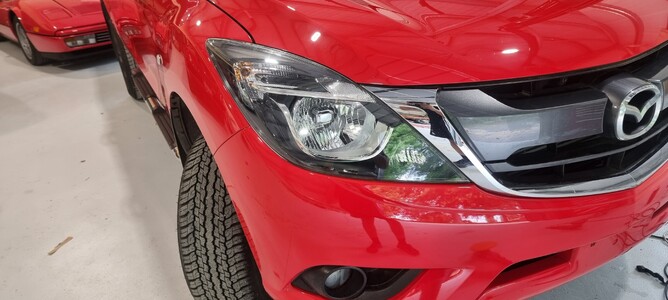
(PPF Prevents More Than You Think)
Your car’s paintwork faces a daily battle — and most of the damage doesn’t come from accidents or major impacts. It comes from everyday driving, parking, and even cleaning habits that slowly wear away your clear coat. Over time, these small, repeated attacks lead to swirl marks, stone chips, fading, and premature ageing of your vehicle’s finish.
At Mat’s Detailing in Hamilton, we see this damage every day. The good news? Paint Protection Film (PPF) prevents far more than most people realise — especially in real-world New Zealand driving conditions.
Below, we break down the top 8 everyday things that damage your paint, and explain how PPF acts as the ultimate shield for anyone serious about long-term paint protection.
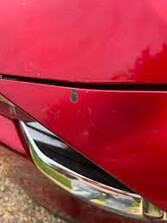
1. Stone Chips & Road Debris
(The biggest enemy of NZ paintwork)
Loose gravel, stones, and debris kicked up by other vehicles are unavoidable on New Zealand roads — especially around Waikato highways, rural roads, and construction zones. Even a small stone at speed can penetrate clear coat instantly, exposing bare paint and metal.
How PPF helps:
PPF is engineered to absorb impact energy. Instead of chipping paint, stones strike the film and bounce away. This makes PPF the gold standard for stone chip protection in Hamilton, particularly on bonnets, bumpers, mirrors, and side skirts.
2. UV Exposure & Sun Fade
The NZ sun is harsh. Constant UV exposure oxidises clear coat, dulls gloss, and causes paint to fade unevenly — especially on dark colours.
How PPF helps:
Premium PPF contains UV inhibitors that protect paint beneath from sun damage. Unlike waxes that fade quickly, PPF provides long-term UV defence, helping preserve factory colour and gloss.
3. Bug Splatter & Bird Droppings
Insects and bird droppings aren’t just unsightly — they’re acidic. Left on paint, they can etch into the clear coat within hours, especially in warm conditions.
How PPF helps:
PPF creates a sacrificial layer. Bugs and droppings sit on the film, not your paint, and are far easier to safely remove without etching or staining.
4. Automatic & Poor Wash Techniques
Brush-style car washes, dirty sponges, and improper washing methods introduce swirl marks and micro-scratches over time. Even well-meaning DIY washes can slowly damage paint if done incorrectly.
How PPF helps:
PPF is far more scratch-resistant than clear coat. Light wash marks affect the film instead of your paint — and many modern films even self-heal under heat, reducing visible damage.
5. Door Dings & Parking Lot Damage
Tight car parks, shopping trolleys, and careless doors cause constant low-speed impacts that chip paint on doors and guards.
How PPF helps:
While PPF won’t stop major dents, it significantly reduces paint damage from minor impacts, scuffs, and scrapes — particularly on high-contact areas.
6. Road Grime, Tar & Brake Dust
Tar, oil, brake dust, and industrial fallout stick to paint and slowly degrade clear coat if not removed correctly.
How PPF helps:
PPF has a smooth, non-porous surface that resists contamination. Dirt releases more easily, reducing aggressive scrubbing and chemical use - helping protect your paint long term.
7. Tree Sap & Environmental Fallout
Parking under trees might seem harmless, but sap, pollen, and airborne contaminants bond aggressively to paint and are notoriously difficult to remove safely.
How PPF helps:
PPF acts as a barrier, allowing sap to be removed from the film rather than directly from your paint — reducing the risk of staining and etching.
8. Everyday Wear & Tear
Keys brushing doors, shoes scuffing sills, kids touching panels — everyday use slowly adds up.
How PPF helps:
Strategic PPF placement on door cups, sills, boot ledges, and high-touch areas prevents long-term cosmetic damage that affects resale value.
Why PPF Is the Ultimate Way to Protect Car Paint in NZ
While ceramic coatings add gloss and chemical resistance, PPF provides physical protection. For drivers who want the highest level of defence against real-world damage, PPF is unmatched.
At Mat’s Detailing, we use precision-cut PPF patterns designed specifically for your vehicle — ensuring clean edges, perfect fitment, and no risky hand-cutting on your paint.
FAQ's
Is PPF worth it for daily drivers?
Yes. Daily drivers benefit the most from PPF because they’re constantly exposed to road hazards, sun, and parking damage.
Can PPF be applied to just certain areas?
Absolutely. Popular partial coverage areas include front bumpers, bonnets, mirrors, headlights, door cups, and sills.
Does PPF change how my paint looks?
No. High-quality PPF is virtually invisible and actually enhances gloss. Matte options are also available for a satin finish.
How long does PPF last?
Professional-grade PPF typically lasts 7–10 years with proper care.
Can PPF be combined with ceramic coating?
Yes. Many clients choose PPF on impact zones, then ceramic coat over the film and remaining paint for full vehicle protection.
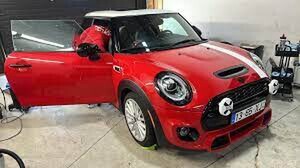
Everyday driving causes far more damage than most people realise. Stone chips, UV exposure, washing habits, and environmental fallout slowly degrade your paint — but PPF stops the damage before it starts.
If you’re serious about protecting your car paint in NZ and want proven stone chip protection in Hamilton, PPF is one of the smartest investments you can make.
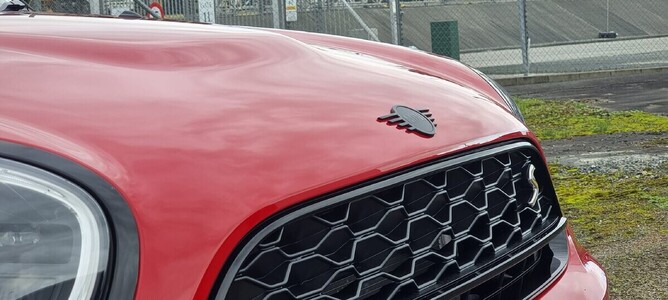
Protect your paint before damage happens.
Visit Mat’s Detailing in Hamilton or book our mobile service across Waikato.
Call 027 352 6667 or enquire online to discuss the best PPF solution for your vehicle.