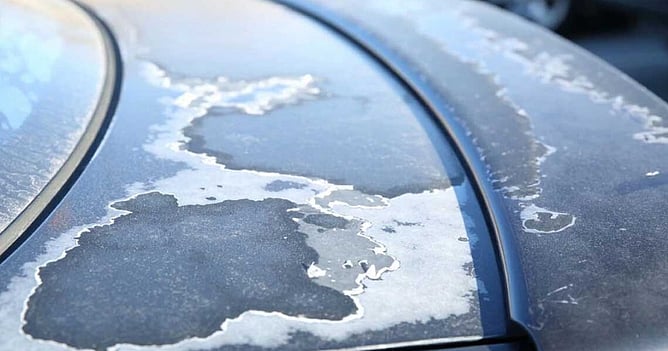
You can be the kind of owner who washes regularly, parks thoughtfully, and avoids obvious hazards — yet your paint can still slowly lose clarity, depth, and gloss. That’s because the most common paint damage causes in NZ aren’t always dramatic. They’re often invisible, gradual, and happening in the background while you’re doing everything “right”.
At Mat’s Detailing, we see this every week in Hamilton: vehicles that are genuinely cared for… but still showing swirl marks, water spotting, oxidation, and early clear coat damage NZ drivers don’t realise is building up.
This isn’t about blame. It’s about understanding what actually attacks your paintwork — and how to stop it before it becomes permanent.
Clean doesn’t mean “decontaminated”
A regular wash removes loose dirt, but it doesn’t remove what bonds to paint.
Common bonded contaminants in NZ include:
Iron fallout (brake dust and rail dust)
Road tar and oily film
Industrial fallout
Hard water mineral deposits
These can make paint feel rough, look dull, and cause you to scrub harder during washing — which then creates more marring.
This is why a professional vehicle condition assessment often starts with decontamination, not polishing. If you want to see how we approach surface prep and inspection, this is a great companion read:
Paint Correction Masterclass: How We Remove Swirls, Scratches & Haze
“Careful washing” can still cause swirl marks
Most swirl marks come from perfectly normal habits:
Using a towel that’s clean… but not paint-safe
Washing in circles (instead of straight lines)
Drying with pressure instead of blotting/gliding
Re-using a mitt after it hits lower panels
Washing too infrequently, so grime builds up
Even owners who avoid automated car washes can accidentally introduce micro-scratches over time. The key is a repeatable, coating-safe routine that reduces contact and friction.
If you’d like a clear maintenance routine that suits NZ conditions, we discuss wash techniques inside our blog: Caring for Your Coating: Proper Wash and Maintenance for Long-Lasting Protection And if you want the “big picture” list of everyday causes our - Top 8 Everyday Things That Damage Your Paint
The NZ sun quietly breaks down clear coat
Even in Hamilton (not just coastal areas), UV exposure is relentless. Over time, UV:
dries and oxidises clear coat
dulls gloss
causes colour fade (especially darker colours)
makes the paint more vulnerable to etching
So while your car may look good right after a wash, the finish can still be ageing underneath.
This is one reason car paint protection Hamilton clients invest in ceramic/graphene coatings — not just for gloss, but for long-term resistance and easier maintenance.
Learn more about protection options here:
Ceramic Coating: https://matsdetailing.co.nz/ceramic-coating/
Paint Protection (overview): https://matsdetailing.co.nz/paint-protection/
Water spotting is a bigger deal than most people think
Hard water spots don’t just “sit” on the surface. When minerals bake into the paint (especially in sun), they can etch into the clear coat. That’s why:
washing in direct sunlight causes issues
leaving sprinklers / rain to dry on paint can mark it
cheap quick-detail sprays can make spotting worse
If water spots and haze are already visible, this is typically when paint correction becomes the right fix — because protection alone won’t remove the damage already in the clear coat.
Parking “smart” still isn’t a full defence
Parking under cover helps — but many cars still get damaged from:
tree sap and pollen fallout
bird droppings (acidic, fast etching)
shopping areas where airborne grime is heavy
These issues don’t always look dramatic at first. But they slowly roughen the finish and reduce clarity.
That’s where PPF becomes the “physical shield” option for high-impact zones, especially if you do any SH1 driving, rural Waikato roads, or frequent commuting.
The simple truth: “Looked after” needs a strategy
If you’re washing regularly and your paint still looks like it’s losing that sharp, reflective finish, it doesn’t mean you’re doing a bad job — it usually means the paint needs one of these next steps:
FAQ’s
Can paint be damaged even if I hand wash only?
Yes. Swirls often come from drying friction, wash media, or washing too infrequently so grime builds up and gets dragged across the paint.
Does ceramic coating prevent scratches?
It helps reduce light wash marring and makes cleaning safer, but it won’t stop stone chips or deeper scratches. For impact protection, PPF is the better solution.
What are the most common paint damage causes in NZ?
UV exposure, bonded contamination (iron/tar), water spotting, and wash-related micro-scratches are among the biggest culprits.
How do I know if I need paint correction?
If your paint looks dull in sunlight, has visible swirls/haze, or water spots that won’t wash away, correction is usually the right next step before applying protection.
If you want your car to stay genuinely “looked after” — not just clean — we can help with a professional inspection and the right protection plan for how you drive in Hamilton and Waikato.
Book or enquire here: https://matsdetailing.co.nz/contact/