BOAT CERAMIC COATING HAMILTON
Marine ceramic and graphene coatings that protect gelcoat from UV, salt and staining, for boats across the Waikato and Tauranga.
CERAMIC · GRAPHENE · UV & SALT PROTECTION




BOAT CAR PROTECTION
Long-Lasting Protection For Your Hull
Marine ceramic and graphene coatings applied by Mats Detailing in Hamilton, for boat owners across the Waikato and Bay of Plenty.
A marine ceramic coating is a liquid nano-coating that bonds to your boat's gelcoat and cures into a hard, glass-like layer. It blocks the UV that turns fibreglass chalky, repels saltwater and scum, and stops bird droppings, fish blood and water spots from staining the hull.
Traditional boat wax breaks down within weeks under harsh New Zealand sun and sea spray. A graphene coating takes that protection further, with extra slickness, heat resistance and resistance to water spotting, so your boat stays glossier for longer and washing down after a day on the water takes minutes, not hours. Because a coating locks in whatever is underneath, we usually start with a gelcoat restoration to remove oxidation first.
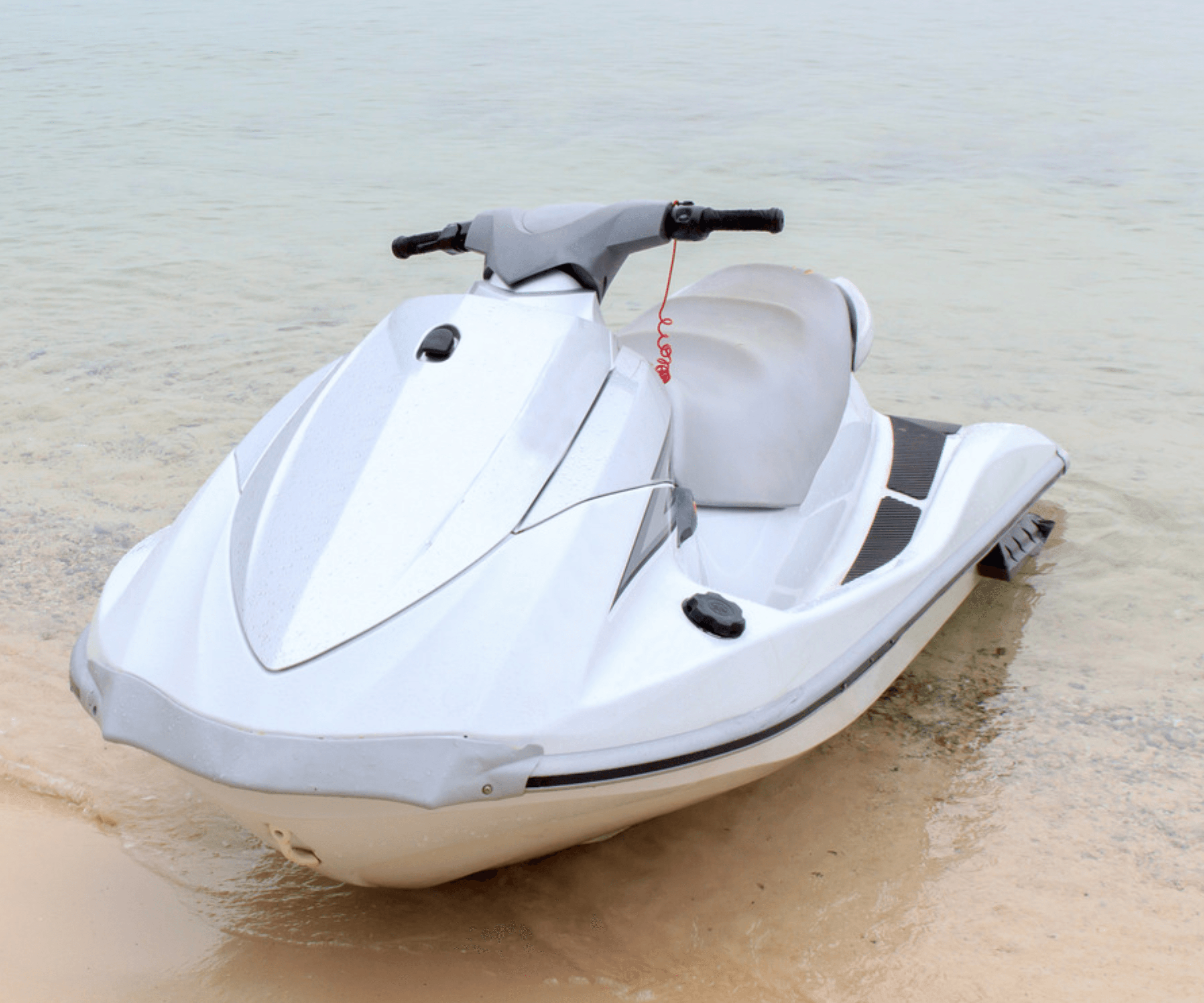
We coat trailer boats, runabouts, fishing boats, ski boats, jet skis and launches at our workshop at 2/142 Riverlea Road, Hamilton, for owners across the Waikato and Bay of Plenty, from Raglan and Lake Karapiro to Tauranga, Mount Maunganui and Whitianga.
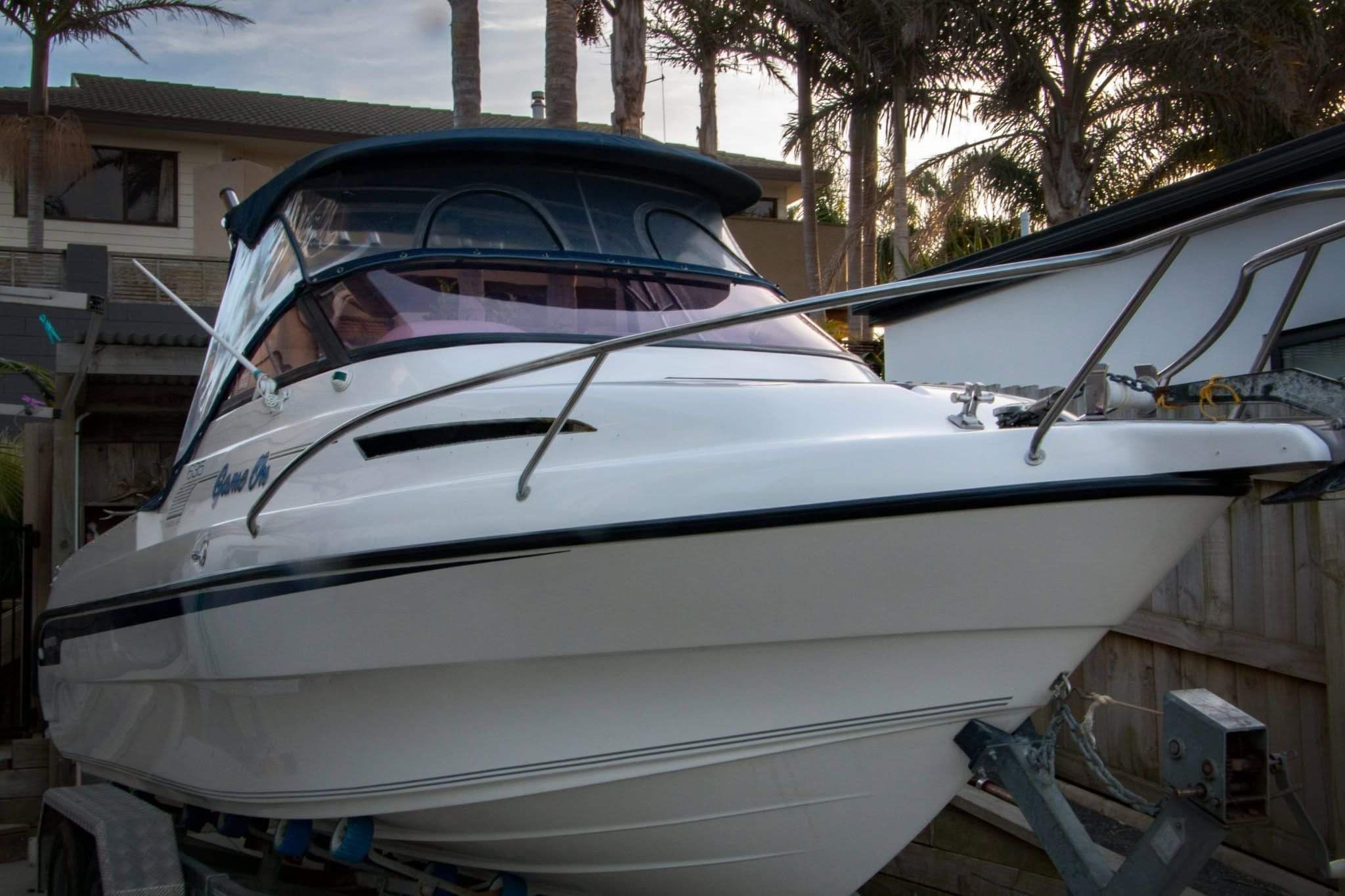
UV Protection
Blocks the sun damage that turns gelcoat chalky and faded.
Hydrophobic & Easy Clean
Water, scum and grime slide off, making wash-downs fast.
Stain & Salt Resistance
Guards against salt crust, bird droppings and fish stains.
MARINE COATING PACKAGES
Choose Your Marine Coating
Every coating is priced by your boat's length and the preparation it needs. Send us a few photos for a free quote.
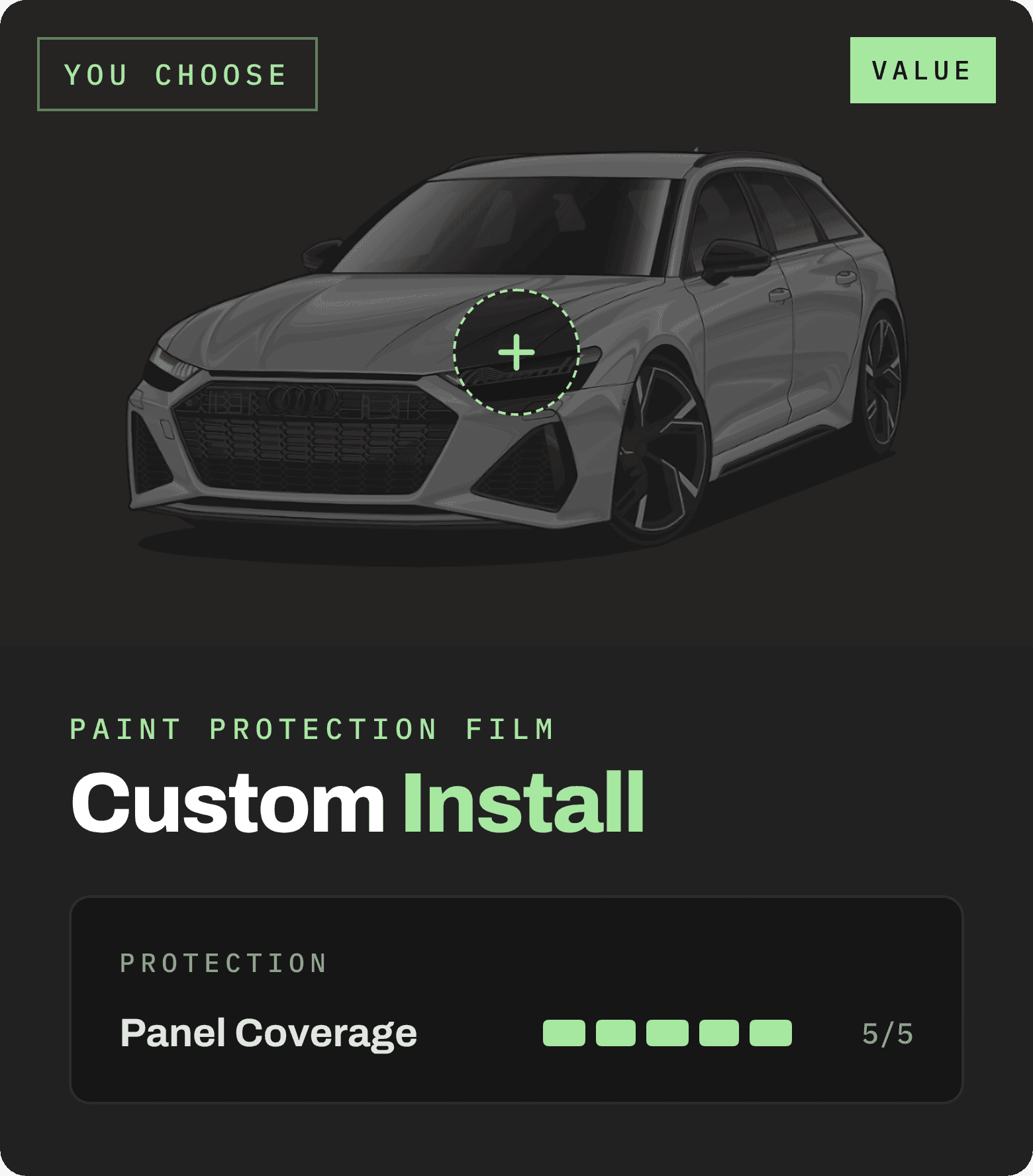
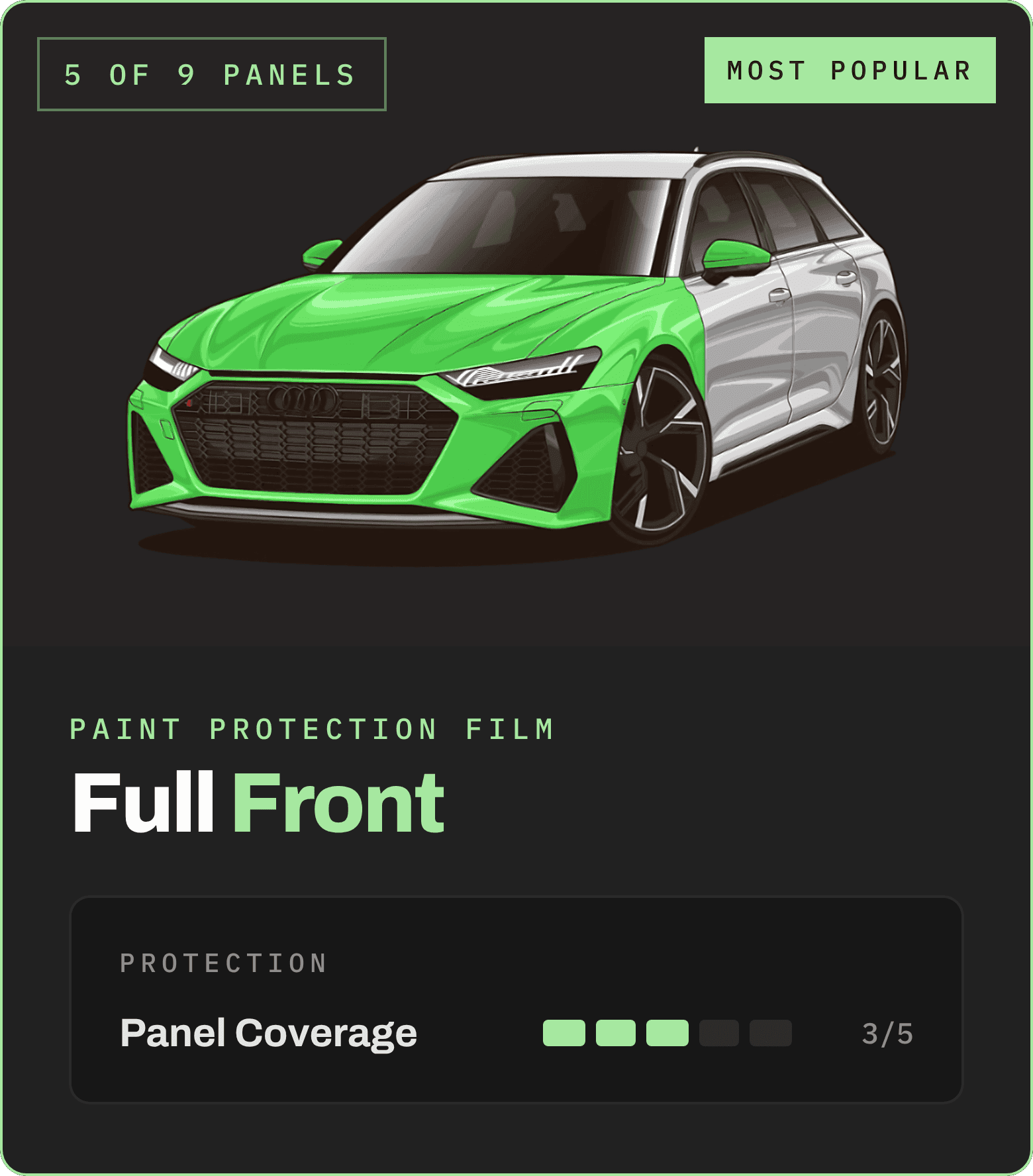
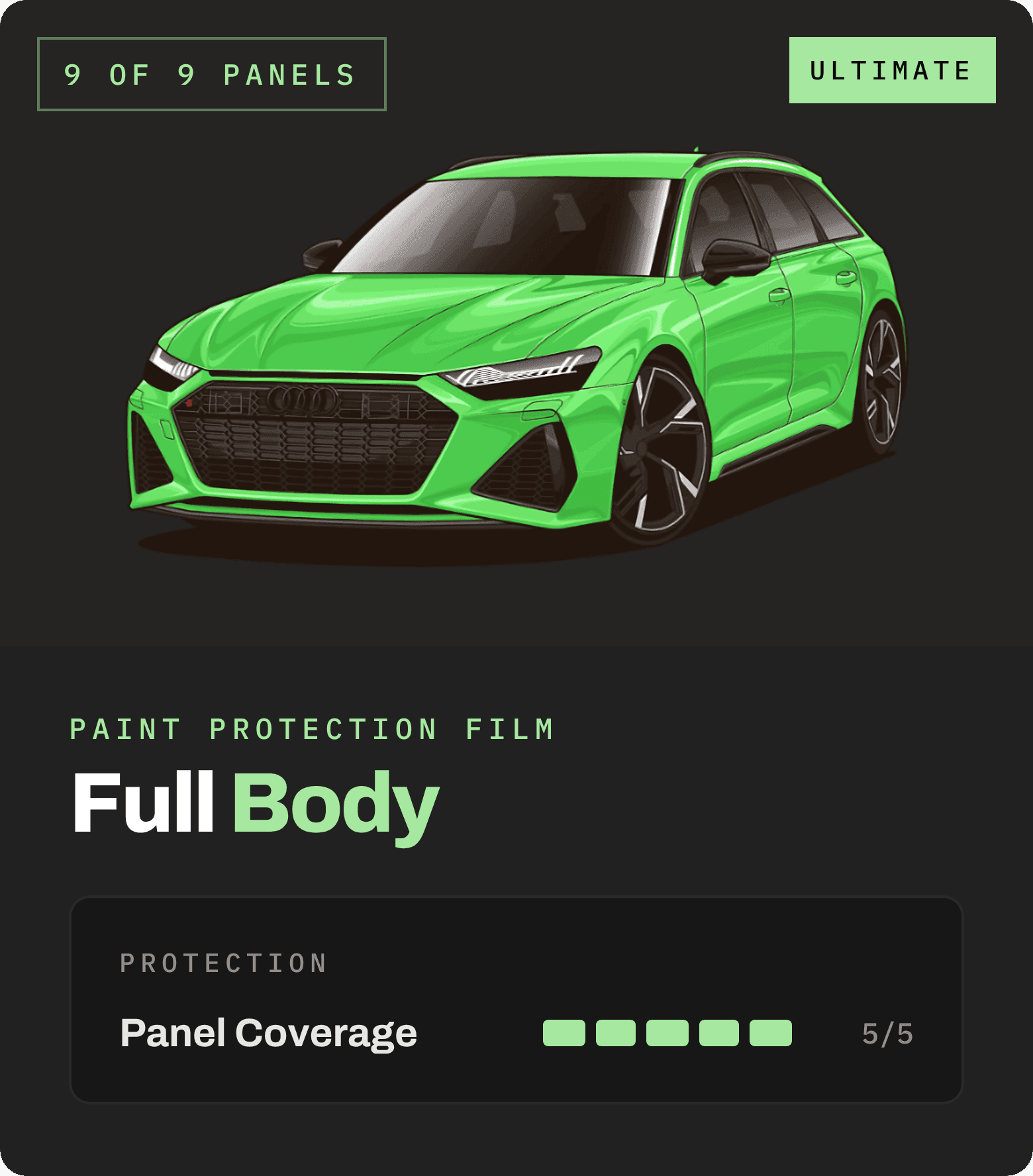
COMPARE MARINE COATINGS
Marine Coating Visual Chart
Compare what each marine coating package includes, from surface prep to the protection you get on the water.

WAX VS COATING
Why Boat Owners Are Switching From Wax
Boat wax looks great for a few weeks, then the sun and sea strip it away and the polishing starts again. A ceramic or graphene coating bonds to your gelcoat and keeps protecting for years, so you spend less time re-waxing and more time on the water.
Years Not Weeks
Faster Wash-Downs
Less Yearly Maintenace
MATCH YOUR COATING
Which Coating Suits Your Boat?
How much protection your boat needs depends on how it's stored and how often it's out in the sun and sea. Which one sounds like yours?

Daily Commuters
Spend less time washing and more time driving.
Dirt and grime rinse of easily
Protection from UV and bird droppings
Gloss that lasts between washes
RECOMMENDED: HERA 3 YEAR
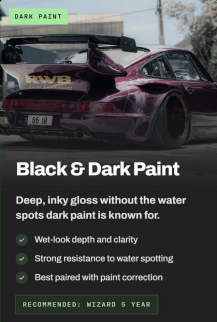
Black & Dark Paint
Deep, inky gloss without the water spots dark paint is known for.
Wet-look depth and clarity
Strong resistance to water spotting
Best paired with paint correction
RECOMMENDED: WIZARD 5 YEAR
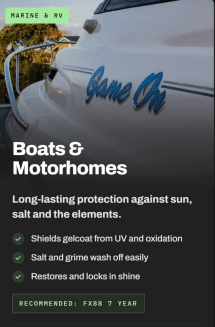
Boats & Motorhomes
Long-lasting protection agains sun, salt and the elements.
Shields gelcoat from UV and oxidation
Salt and grime wash off easily
Restores and locks in shine
RECOMMENDED: FX88 7 YEAR
WHAT IT PROTECTS AGAINST
What A Marine Coating Stops
A marine coating forms a barrier against the things that damage and stain gelcoat every time you head out.
UV Oxidation
The sun damage that turns glossy gelcoat chalky, faded and powdery.
Salt Crust
Sea spray residue that bonds to the hull and dulls the finish.
Scum Lines
Waterline staining that wipes away instead of baking on.
Bird Droppings
Acidic seagull droppings that etch unprotected gelcoat.
Water Spots
Hard mineral spotting baked onto the hull, deck and clears.
Fish Blood & Stains
Bait, blood and fuel stains that wipe clean with ease.
OUR PROCESS
How We Coat Your Boat
A coating is only as good as the surface beneath it, so preparation is everything.
01
Assess Your Gelcoat
We assess your gelcoat and recommend the right coating for how your boat is used and stored.
02
Restore The Gelcoat
Oxidation is removed with a cut and polish where needed, so the coating locks in a flawless finish, not a faded one.
03
Prep & Coat
Every surface is wiped free of oils, then the coating is hand-applied section by section for even coverage.
04
Cure & Aftercare
The coating cures before a final inspection, and we walk you through the simple aftercare to keep it performing.
COATING ADD-ONS
Protect Every Surface
Extend your coating beyond the hull for complete, easy-clean protection.
Add them to your coating for protection from bow to stern.
ADD-ON
Gelcoat Restoration
Remove oxidation before coating, so your protection locks in a flawless shine.
FROM $800
LONG-TERM RESULTS
ADD-ON
Clears & Windscreen Coating
Water-repellent coating for clears and screens, for better visibility in spray and rain.
FROM $300
RECOMMENDED
Stainless & Chrome Coating
Stainless rails, cleats and fittings sealed so salt and tea staining wipe straight off.
BY QUOTE
TAILORED TO YOUR BOAT
ADD-ON
Vinyl Seat Protection
Protects vinyl seats from UV fading, mould and staining.
BY QUOTE
TAILORED TO YOUR VEHICLE
Not sure which surfaces to coat? We'll advise which surfaces are worth coating for your boat and budget.
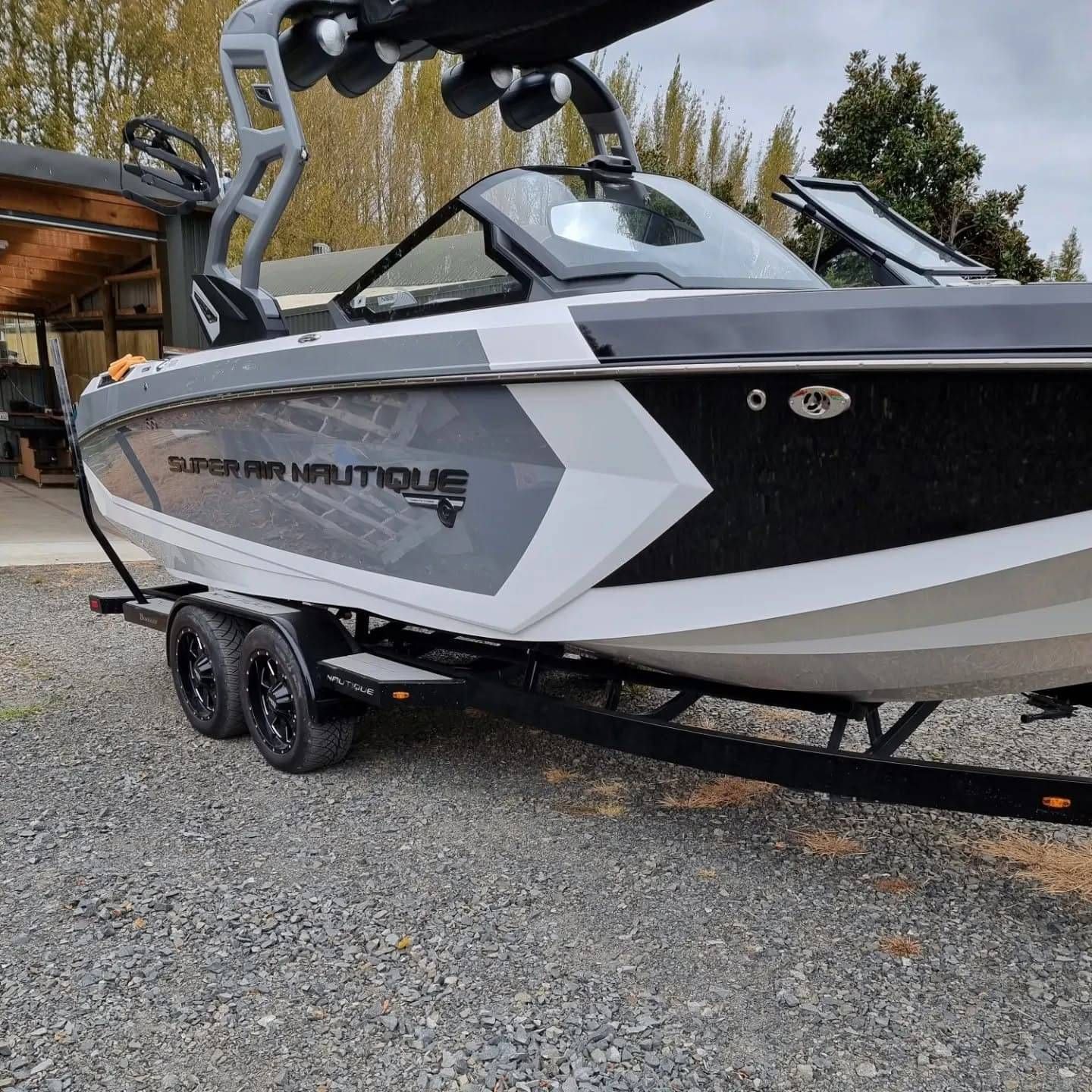
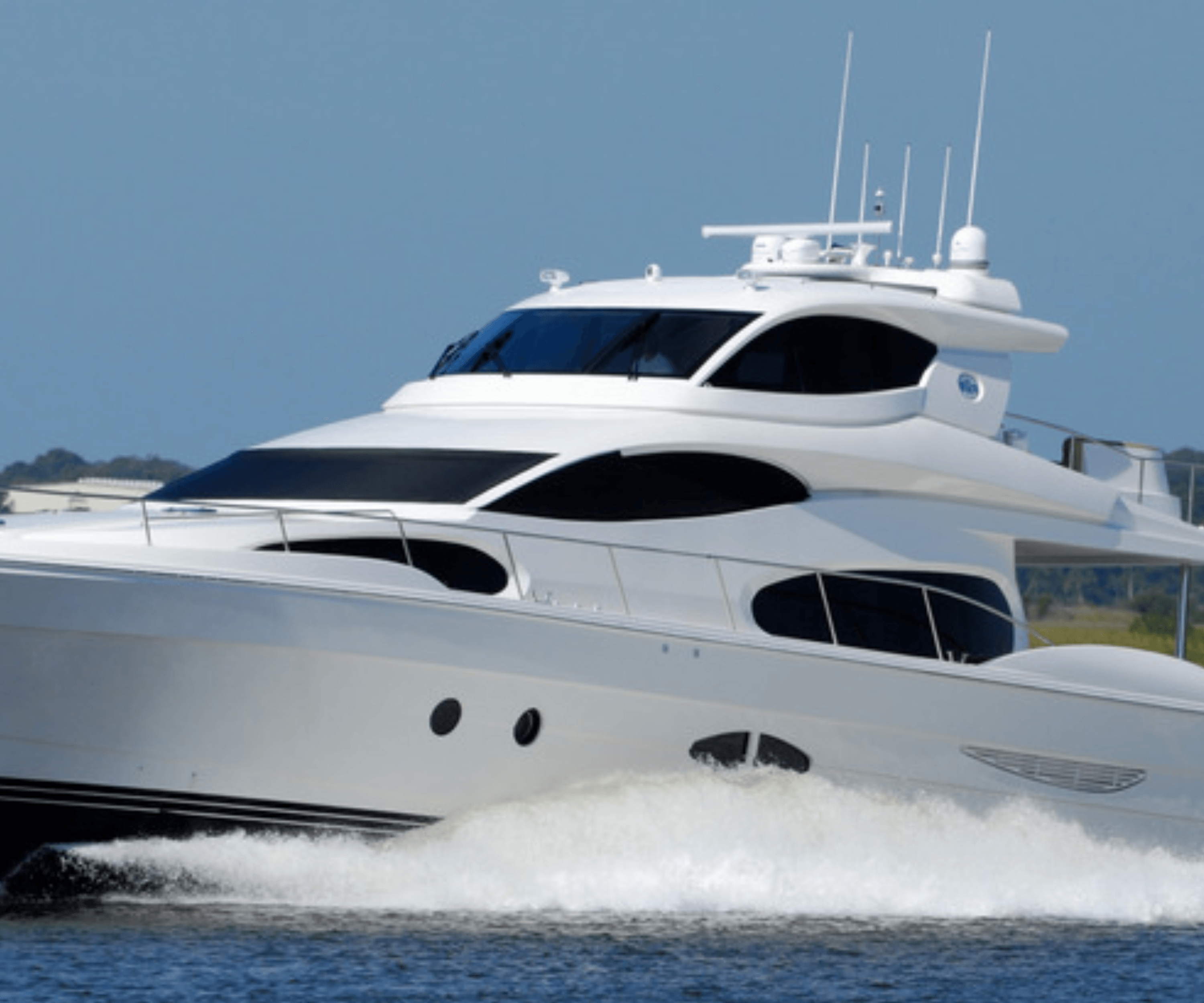
RECENT COATINGS
Real Marine Coatings
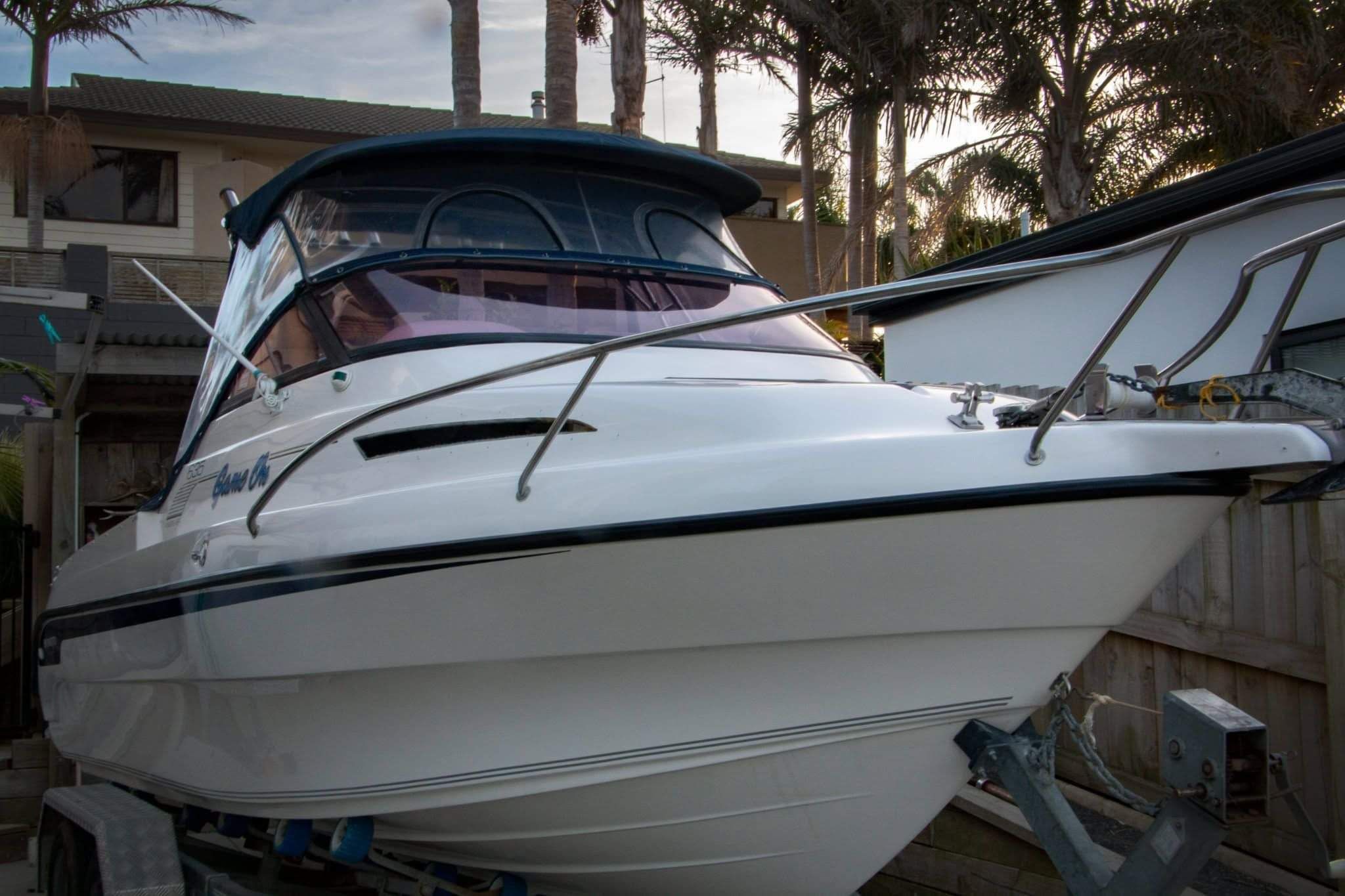
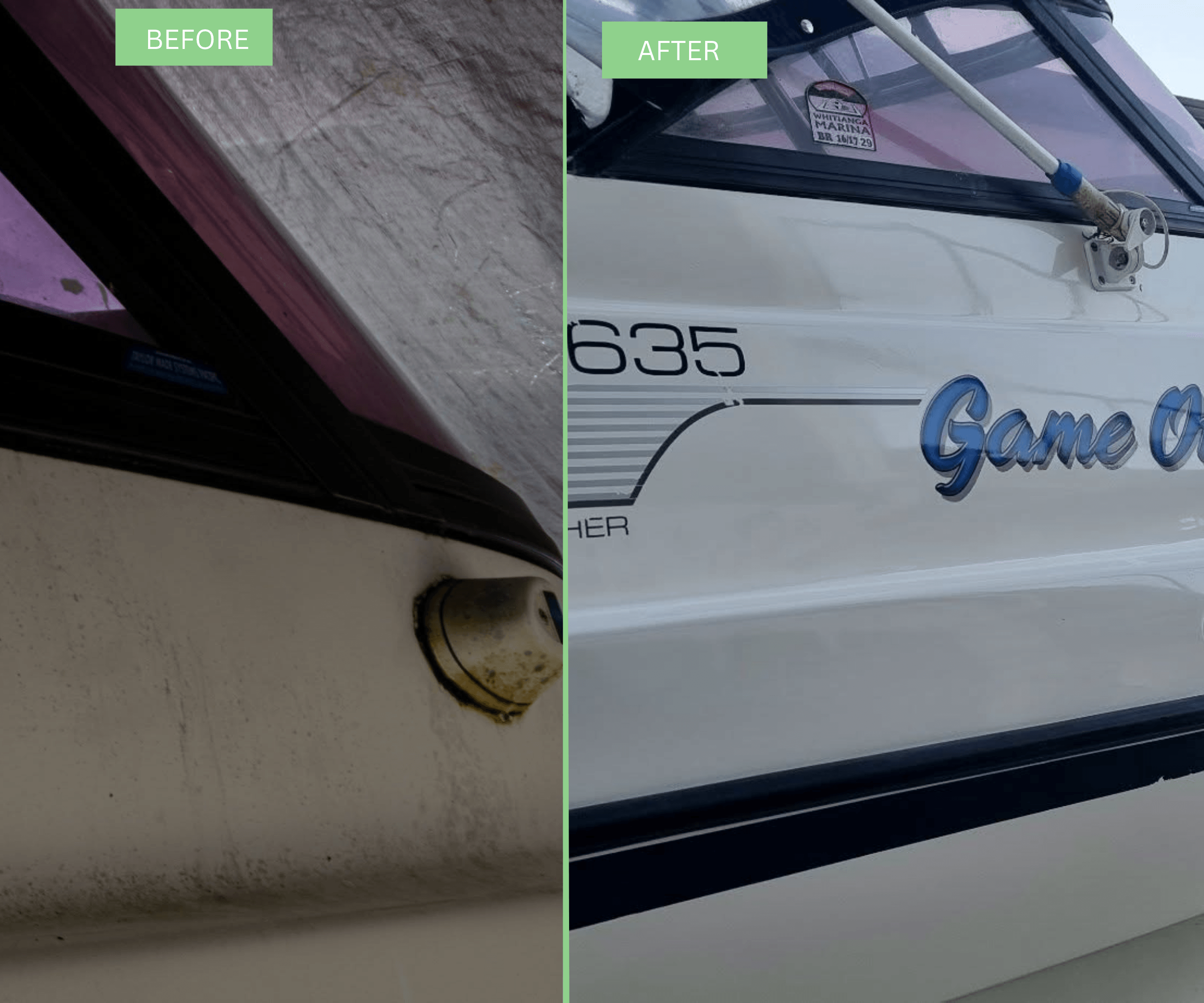
Ceramic and graphene coatings we've applied to hulls from the lakes to the coast.
WHY MATS DETAILING
Hamilton's Marine Ceramic Coating Specialists
Mat's background as an automotive painter means every coating goes onto properly prepared gelcoat, applied with the same care he gives a supercar.
Premium Coatings
Professional-grade ceramic and graphene coatings suited to gelcoat and marine use.
Proper Preparation
Gelcoat restored and prepped first, because a coating locks in what's underneath.
Hamilton to the Coast
Coatings applied at our Riverlea workshop for owners from Lake Karapiro and Taupō to Tauranga and Whitianga.
Coating Aftercare
Simple aftercare advice to keep your coating performing season after season.
FAQS
Marine Coating Questions
What boat owners ask before choosing a ceramic or graphene coating.
How Much Does A Boat Ceramic Coating Cost?
Boat coatings at Mats Detailing are priced by hull length and the condition of the gelcoat, starting from around [price per foot] for the coating itself. Most of the cost is preparation rather than product — an oxidised hull has to be compounded and polished before any coating goes on, and that is quoted separately.
For reference, our automotive coatings run from $450 for a small car on a two-year coating up to $1,800 for an extra-large vehicle on our longest-life product, excluding preparation. Boats are quoted by length because a hull does not map onto car sizing.
The honest framing: on a well-maintained hull the coating is the larger share of the bill, and on a neglected one the correction is. We quote both separately so you can see which you are paying for.
How Long Does A Ceramic Coating Last On A Boat?
Expect [5 to 7] years on a boat, which is shorter than the same coating on a car. Gelcoat has no clear coat above it, salt water is harsher than road grime, and boats spend their lives in direct UV. A trailered, covered boat holds a coating considerably longer than one on a permanent mooring.
What shortens it most: permanent mooring, no cover, no freshwater rinse after salt use, and harsh cleaning products. What extends it: covering the boat, rinsing after every trip, and using a coating-safe maintenance wash.
A coating does not fail all at once. Water beading weakens first and gloss dulls gradually, which is the signal to top up with a maintenance product rather than recoat.
Ceramic Or Graphene, Which Is Better For Boats?
For most boats, a high-grade pure ceramic coating is the better choice, not graphene. Our Fireball range includes a graphene coating, and it is excellent on dark-coloured cars — but the coating we specify for marine work is Butterfly, a pure ceramic rated for its hardness and clarity and designed for marine application.
Graphene coatings are marketed hard across the industry, and the real-world difference over a top-tier ceramic is smaller than the marketing suggests. On a boat, what matters is hardness, UV resistance and how the coating handles constant salt exposure, and a well-made ceramic does that job.
We would rather recommend the right coating than the most expensive one. If your boat is a dark-hulled launch kept under cover, there is a case for graphene. For the typical Waikato or Bay of Plenty trailer boat, there is not.
Does My Boat Need Polishing Before It Is Coated?
Almost always, yes. A coating is optically clear and bonds to whatever is beneath it, so coating over oxidation locks the oxidation in and seals a dull finish under a glossy layer. Gelcoat is polished back to a sound, clean surface first, then coated immediately while it is still bare.
The amount of work varies enormously. A near-new hull needs a light polish. A hull that has sat uncovered for several summers needs compounding, then refining, then coating — and that preparation is usually the larger part of the quote.
This is why we will not quote a boat coating over the phone from a length alone. We need to see the gelcoat, or clear photos in good light, before putting a number on it.
What Aftercare Does A Coated Boat Need?
Rinse with fresh water after every salt-water trip, wash with a pH-neutral coating-safe shampoo rather than household detergent, and top up with a maintenance product a few times a season. Cover the boat when it is not in use. That is the whole routine, and it is what determines whether the coating reaches its full life.
What to avoid: dishwashing liquid, abrasive cleaners, harsh hull cleaners and anything with strong solvents. These strip the coating and will shorten its life considerably. Using products outside the manufacturer's recommendations can also void the coating warranty.
We stock the Fireball maintenance range for exactly this, and we will show you the routine when you collect the boat rather than leaving you to guess.
Is A Ceramic Coating Better Than Wax For Boats?
For almost every boat owner, yes. Marine wax lasts a few months and needs reapplying every season, sometimes twice. A ceramic coating lasts years, resists salt and UV far better, and makes washing significantly easier because grime releases instead of bonding.
The cost comparison favours coating over time. Wax is cheaper per application but needs doing repeatedly, and every reapplication is labour. Across a few seasons a coating typically costs less in total and performs better throughout.
Wax still has a place. On a boat you are about to sell, or an older hull where a coating is not economic, a wax gives a good short-term finish for a small spend. We will say so rather than upselling you a coating that will not pay for itself.
Can You Ceramic Coat An Aluminium Boat?
Yes. Painted aluminium takes a ceramic coating much like gelcoat does, and the benefits are the same — easier salt removal, UV resistance and better gloss retention. Bare or brushed alloy needs assessment first, because coating adhesion depends on the surface finish.
Aluminium pontoons and plate boats are common on Waikato and Bay of Plenty trailers and are often left untreated. Salt staining and white corrosion bloom both slow markedly once the surface is coated.
Tell us whether your boat is painted, bare alloy or wrapped when you enquire, because all three take different preparation.
Can You Coat The Hull Below The Waterline?
No, and no reputable coater should. Below the waterline is antifoul territory, and ceramic coatings are not designed to sit permanently submerged or to resist marine growth. A coating goes on topsides, deck, superstructure and above the waterline.
For trailer boats this distinction barely matters, because the hull is out of the water between trips. For moored boats it matters a great deal, and antifoul is a separate job we do not do.
If someone offers you a ceramic coating as an antifoul alternative, treat that as a reason to get a second opinion.
Does A Ceramic Coating Stop Oxidation?
It dramatically slows it rather than stopping it entirely. Oxidation happens when UV breaks down exposed gelcoat, so a coating that sits between the UV and the gelcoat removes the main cause. A coated, covered boat can go years without visible chalking.
It does nothing for oxidation already present. The coating is clear, so existing chalkiness stays visible underneath — which is why correction comes first.
Once the coating eventually wears, oxidation can begin again. That is the point to recoat rather than let the gelcoat start degrading.
How Long Does It Take To Coat A Boat?
Usually two to four days for a trailer boat, most of which is preparation and curing rather than applying the coating. A coating needs cure time in controlled conditions before the boat can be used or exposed to water.
An oxidised hull takes longer because compounding and refining come first. A near-new boat with sound gelcoat is at the faster end.
We will not rush the cure to get a boat back for a weekend. A coating cured properly lasts; one rushed into the water does not.
Can You Coat A New Boat Before Its First Season?
Yes, and it is the ideal time. New gelcoat is at its best on day one, needs only light preparation, and a coating applied before the first season means the hull never gets the chance to oxidise. The job costs less because there is no correction to do.
The same argument applies to a boat you have just bought second-hand in good condition. Protecting sound gelcoat is always cheaper than restoring faded gelcoat.
New boats sometimes need the factory release agents removed before coating, which we handle as part of preparation.
PROTECTION - CORRECTION - REFLECTION
Polish Less. Boat More.
Stop re-waxing every few weeks. A marine coating keeps your boat glossy and easy to clean for years. Send us a few photos and Mat will recommend the right coating.
Send a few photos
Snap your paint in daylight, swirls and all.
Get Mat's recommendation
The right coating for your paint and budget, with a clear quite.
Book a time that suits
Choose a time that suits at our Riverlea workshop.

Hamilton’s Premium Paint Correction, Protection & Detailing Services
VEHICLES MARINE RVS MOTORBIKES
SERVICING
CONTACT US
HOURS
Mon - Fri, 9AM - 5PM
ADDRESS
2/142 Riverlea Road, Riverlea, Hamilton 3216