PAINT CORRECTION HAMILTON
Hamilton's premium paint correction for vehicles, marine, RVS and motorbikes
DEFECT REMOVAL - ENHANCEMENT - RESTORATION




WHAT IS PAINT CORRECTION
Bring Back Your Paint's Depth and Gloss
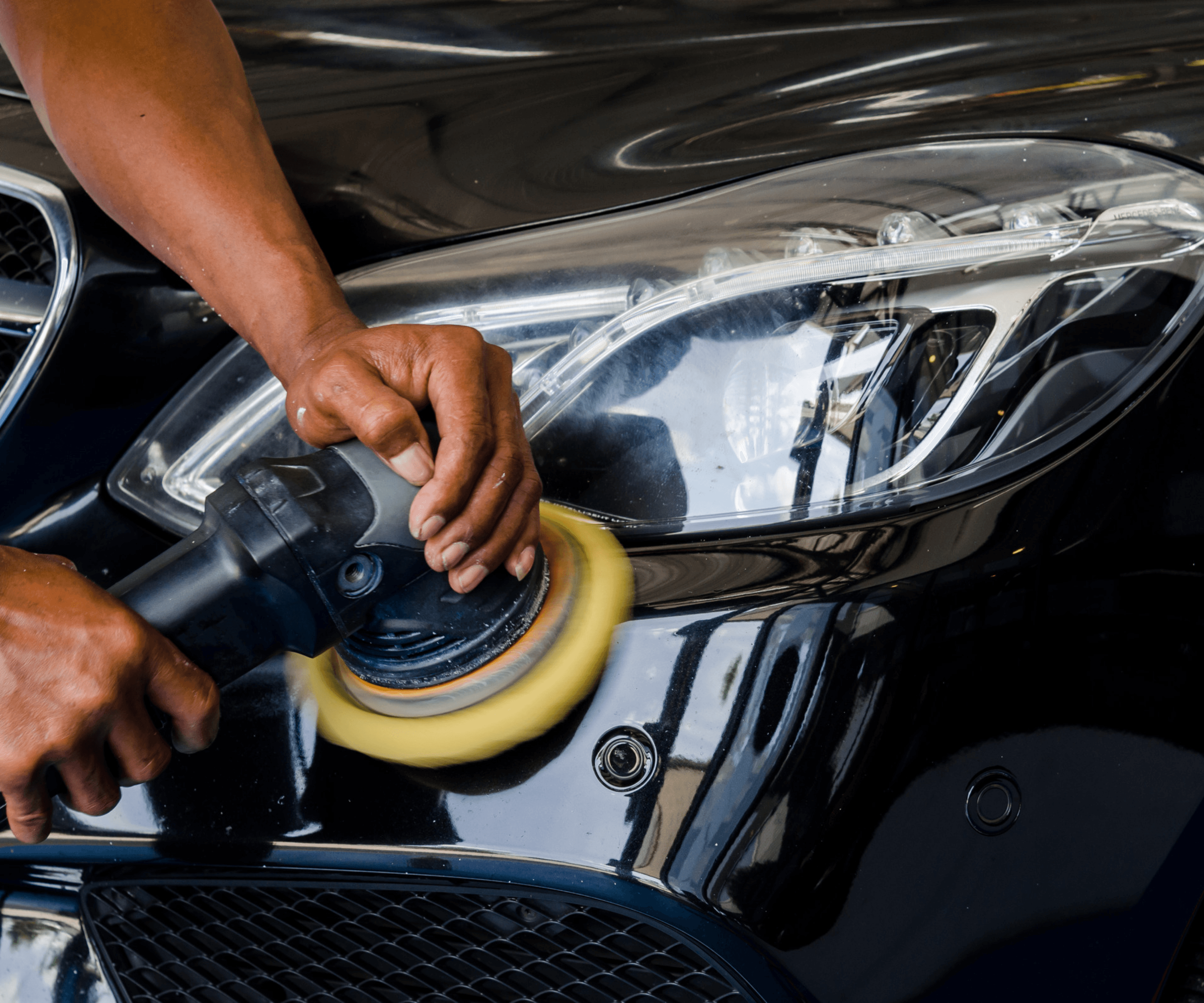
Paint correction is the process of machine polishing your vehicle's clear coat to permanently remove swirl marks, light scratches, holograms and oxidation, rather than just hiding them with fillers.
Using a careful, multi-stage approach, Mat levels the surface to restore true depth, clarity and a mirror-like finish. It's the essential first step before a ceramic coating or paint protection film, so your paint is perfect before it's locked in.
WHY CERAMIC OR GRAPHENE COATINGS?
Common Paint Defects
Paint correction is the process of safely refining the clear coat to reduce swirl marks, wash marring, oxidation, light scratches, holograms and dullness.
Swirl Marks
Fine circular scratches caused by poor washing and drying, most visible in direct sunlight.
Bird & Bug Etching
Acidic droppings and bug splatter wipe away before they can etch your paint.
Water Spots
Water beads and rolls off, reducing mineral spots from rain and hard water.
Salt & Sea Spray
Coastal salt and sea spray that corrodes and dulls unprotected paint, chrome and gelcoat.
Road Grime
Tar, brake dust and road film struggle to bond, so they wash off with ease.
Oxidation
A protective barrier that stops paint going chalky and dull with age.
CORRECTION PACKAGES
Choose Your Level
A ceramic coating takes the hit from the everyday elements that slowly dull and damage unprotected paint.
ADD-ON
Paint correction
Remove swirls and defects before coating, so the gloss locked in is flawless.
FROM $300
BEFORE COATING
ADD-ON
Paint Protection Film
Add physical stone chip and scratch protection to high-impact areas, with your coating on top.
BY QUOTE
TAILORED TO YOUR VEHICLE
RECOMMENDED
Interior Protection
Protect leather, fabric and interior surfaces from spills, stains and UV fading, so the inside stays as fresh as the paint.
FROM $400
WITH CERAMIC
ADD-ON
Cure & Inspect
The coating cures before we inspect every panel under lighting and walk you through the aftercare to keep it looking its best.
BY QUOTE
TAILORED TO YOUR VEHICLE
CERAMIC COATING PACKAGES
How We Correct Your Paint
Six ceramic and graphene coatings, from 1 to 10 years of protection. Prices vary by vehicle size and exclude any paint preparation needed first.
01
Inspect & Recommend
We inspect your paint under lighting and recommend the right coating for your vehicle, how you use it and your budget.
02
Decontaminate & Correct
A thorough wash, iron fallout removal and clay treatment. If your paint has swirls or scratches, an optional paint correction removes them before they're sealed in for years.
03
Panel Prep & Coat
Every panel is wiped clean of oils, then the coating is applied by hand, section by section, for an even, flawless finish.
04
Cure & Inspect
The coating cures before we inspect every panel under lighting and walk you through the aftercare to keep it looking its best.
CORRECTION PACKAGES
Lock In the Finish After Correction
A ceramic coating takes the hit from the everyday elements that slowly dull and damage unprotected paint.
ADD-ON
Paint correction
Remove swirls and defects before coating, so the gloss locked in is flawless.
FROM $300
BEFORE COATING
ADD-ON
Paint Protection Film
Add physical stone chip and scratch protection to high-impact areas, with your coating on top.
BY QUOTE
TAILORED TO YOUR VEHICLE
RECOMMENDED
Interior Protection
Protect leather, fabric and interior surfaces from spills, stains and UV fading, so the inside stays as fresh as the paint.
FROM $400
WITH CERAMIC
ADD-ON
Cure & Inspect
The coating cures before we inspect every panel under lighting and walk you through the aftercare to keep it looking its best.
BY QUOTE
TAILORED TO YOUR VEHICLE
MATCH YOUR COATING
Real Paint Correction Results
Whether it's a daily commuter, dark paint that shows every mark, or a boat or motorhome battling the elements, here's how Hamilton owners choose their ceramic coating.
DAILY DRIVERS
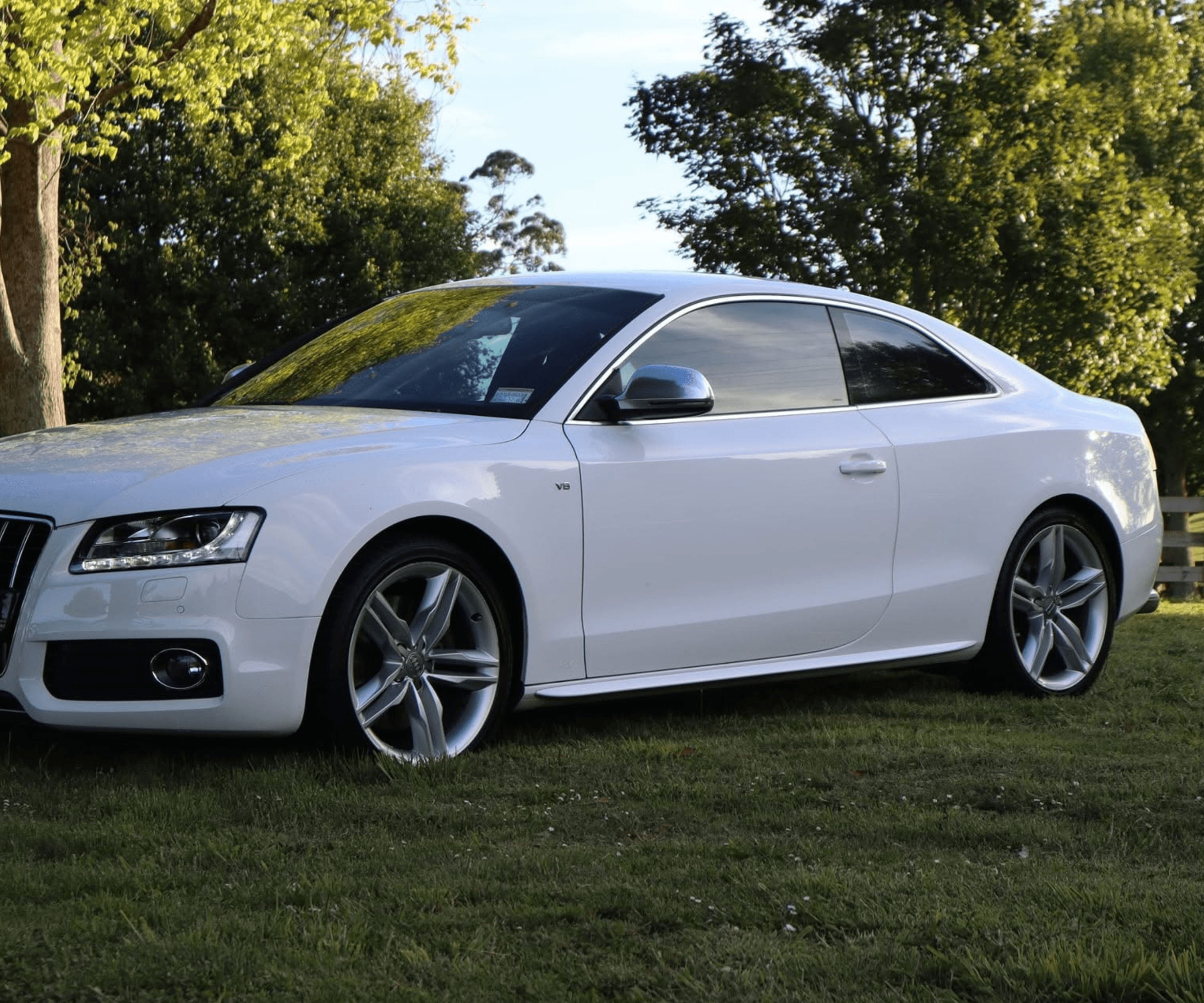
Daily Commuters
Spend less time washing and more time driving.
Dirt and grime rinse of easily
Protection from UV and bird droppings
Gloss that lasts between washes
RECOMMENDED: HERA 3 YEAR
DARK PAINT
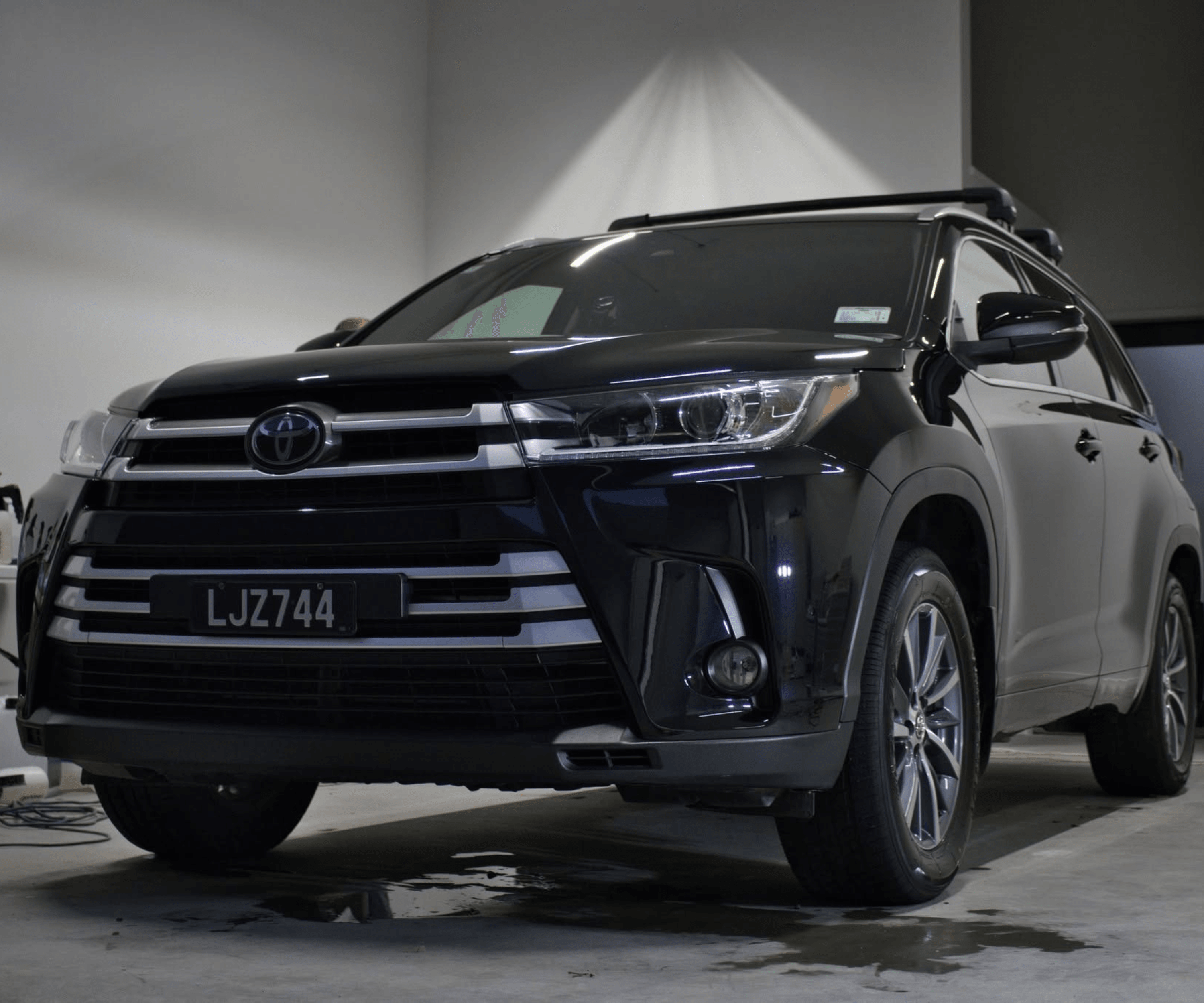
Black & Dark Paint
Deep, inky gloss without the water spots dark paint is known for.
Wet-look depth and clarity
Strong resistance to water spotting
Best paired with paint correction
RECOMMENDED: WIZARD 5 YEAR
MARINE & RV
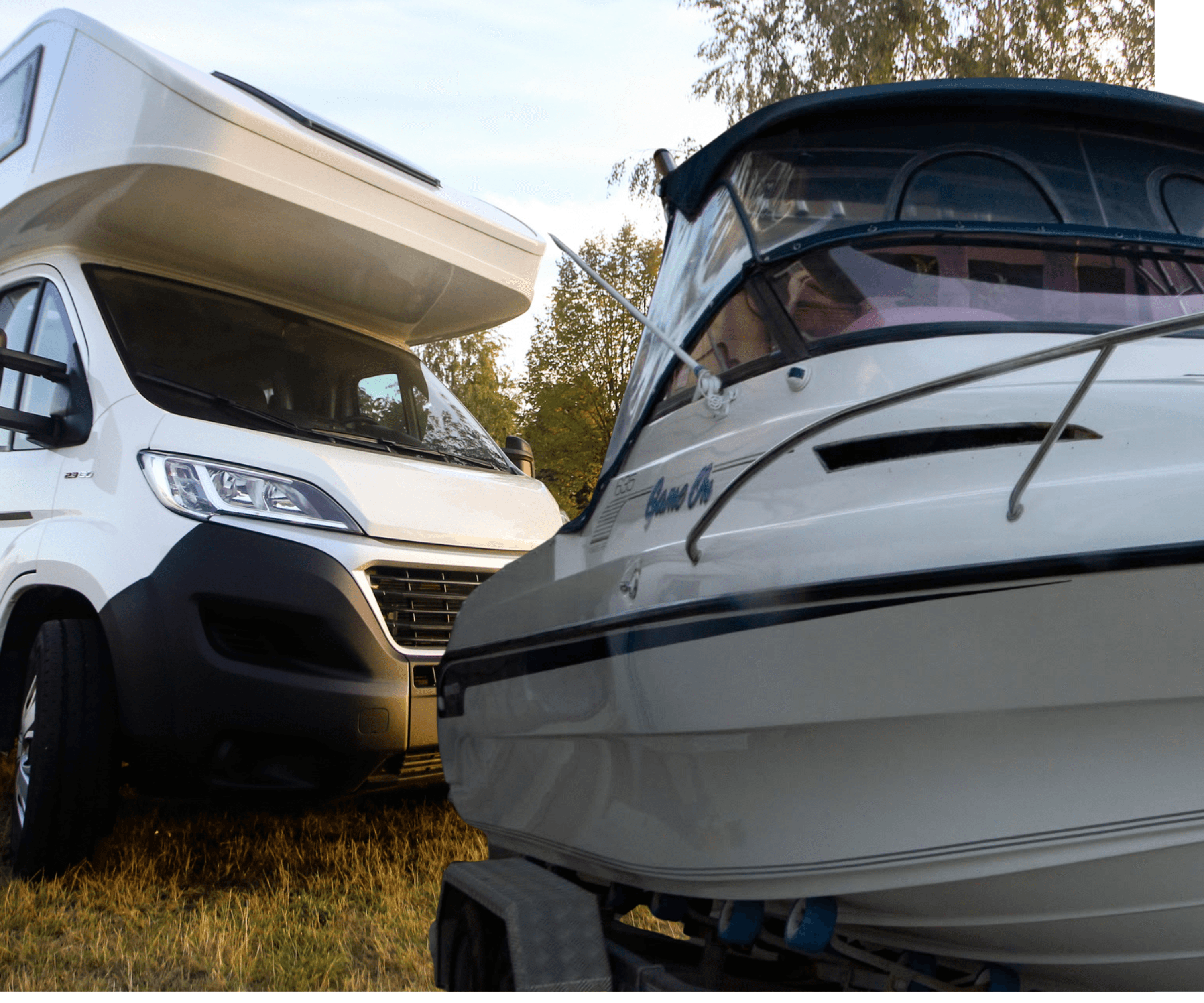
Boats & Motorhomes
Long-lasting protection agains sun, salt and the elements.
Shields gelcoat from UV and oxidation
Salt and grime wash off easily
Restores and locks in shine
RECOMMENDED: FX88 7 YEAR
FAQS
Paint Correction Questions
Everything Hamilton owners ask before booking a ceramic coating.
How Much Does Ceramic Coating Cost In Hamilton?
Ceramic coating at Mats Detailing runs from $450 for a two-year coating on a small car to $1,800 for our ten-year coating on an extra-large vehicle. Most owners choose the three, five or seven-year tiers, which sit between $650 and $1,400 depending on vehicle size. Preparation is quoted separately.
Our full range by small-car price: Aegis two-year $450, Devils Blood three-year $650, Silla five-year $900, Butterfly seven-year $1,100, Graphene nine-year $1,300, and our ten-year coating $1,500. Add $100 per size step up to extra-large.
Preparation is the variable. A new car needs light decontamination and refinement. An older car with swirl marks needs paint correction first, and that is quoted after we see the paint — a coating locks in whatever is underneath it, so this step is not optional.
How Long Does A Ceramic Coating Last?
From two to ten years depending on which coating you choose, each carrying a durability warranty for that term. Our range covers two, three, five, seven, nine and ten-year options. Real-world life depends heavily on how the car is washed and stored — a garaged car washed properly will outperform the rating.
The longer-life coatings are not simply the same product with a bigger number. They are harder, more chemically resistant and give greater surface clarity, which is why the price steps up with the term.
What shortens any coating: automatic brush washes, harsh detergents, and bird droppings or bug splatter left to etch. Using products outside the manufacturer's recommendations can also void the warranty, which is why we hand over aftercare guidance rather than just the keys.ur content...
Is Ceramic Coating Worth It?
For most owners keeping a car more than two or three years, yes - but for the right reasons. A coating saves you time and protects resale condition. It does not stop stone chips, and anyone selling it as armour is overselling.
Where it genuinely pays: washing becomes much faster because dirt releases instead of bonding, the paint resists UV fading and chemical etching from bird droppings and sap, and gloss holds for years rather than months. On a dark car the difference in appearance is substantial.
Where it does not: on a car you are selling within a year, on paint already heavily swirled unless you also pay for correction, or if you plan to keep using automatic car washes. In that last case the coating will not survive long enough to pay for itself.
Do I Need Paint Correction Before Ceramic Coating?
Usually, yes - and this is the part most quotes leave out. A coating is optically clear and bonds to whatever is beneath it, so applying one over swirl marks and etching seals those defects in under a glossy layer for the life of the coating. Correction comes first.
How much depends on the paint. A new car typically needs decontamination and a single-stage refinement. A three-year-old daily driver that has been through automatic washes usually needs a two-stage correction, which takes considerably longer and costs accordingly.
This is why our coating prices exclude preparation. We quote it after inspecting the paint rather than guessing, and we will tell you honestly if your car needs less correction than you expected.
Does Ceramic Coating Stop Stone Chips?
No. A ceramic coating is measured in microns and cannot absorb the impact of a stone at open-road speed. It offers light scratch resistance against wash-induced marring, but it is a chemical barrier, not a physical one. If stone chips are your concern, paint protection film is the correct product.
This is the most common misunderstanding in the industry, and it causes real disappointment. Owners buy a coating expecting chip protection, get chipped anyway on the Waikato Expressway, and conclude coatings do not work. The coating did exactly what it was designed to do.
The strongest setup combines both: XPEL paint protection film on the front bumper, bonnet, guards, headlights and mirrors, with a ceramic coating over the rest of the paint and on top of the film. We will recommend the right split for how you actually drive.
Should I Choose Ceramic Or Graphene Coating?
For most cars, a high-grade pure ceramic. Our graphene coating is genuinely good and carries our second-longest warranty, but the real-world gap over a top-tier ceramic is narrower than the industry suggests. Where graphene earns its place is on dark paint, where its hydrophobic behaviour and finish show most.
Our recommendation by car: dark-coloured vehicles and owners who wash frequently get the most from graphene. Lighter colours, and anyone choosing on durability alone, are better served by Silla at five years or Butterfly at seven.
We would rather put you in the right coating than the dearest one. If graphene is not the better choice for your car, we will say so.
Which Ceramic Coating Should I Choose?
Match the coating to how long you are keeping the car. Aegis at two years suits a short hold or a lease. Devils Blood at three is the value pick for a daily driver. Silla at five and Butterfly at seven are where most long-term owners land. Nine and ten-year coatings suit keepers.
The step up is not only durability. The longer-term coatings are harder, give better chemical resistance and more surface clarity, so a seven-year coating looks different from a two-year one on day one as well as in year five.
There is little point buying ten years of protection for a car you will sell in three. We will ask how long you are keeping it before recommending anything.
Can You Ceramic Coat Wheels, Glass And Interior?
Yes, all three, and they are best done alongside a paint coating while the car is already here. Coated wheels release brake dust instead of baking it on. Coated glass sheds rain at speed and cuts water spotting. Coated leather and fabric resist staining and UV fading.
Wheels are the one most owners notice immediately, because brake dust is the hardest regular cleaning job on most cars and a coating turns it into a rinse.
Booking these at the same time as paint costs less than returning for them, since preparation and setup are already done.
How Do I Wash A Ceramic Coated Car?
Two-bucket washing with a pH-neutral coating-safe shampoo and a clean microfibre mitt, dried with a plush microfibre towel. No automatic brush washes, ever. Top up with a maintenance product every few months to keep water beading and gloss performing at their best.
Automatic brush washes are the fastest way to destroy a coating you have just paid for, and they are the leading cause of the swirl marks that correction exists to remove.
We stock the Fireball maintenance range, which is formulated to work with the coatings we apply. Using harsh detergents or products outside the manufacturer's recommendations can void your coating warranty, so it is worth getting this right.
How Long Does Ceramic Coating Take?
Usually two to three days. The coating itself goes on in a few hours, but decontamination, correction and curing take the rest. A coating handed back before it has cured properly has not reached full hardness and will not deliver its rated life.
A new car needing only light preparation is at the faster end. An older car needing two-stage correction can run to four days.
We will confirm the window at quote. If you need the car back for a specific date, tell us when you book rather than on the day.
Does Ceramic Coating Need To Be Reapplied?
Not within its warranty term, but it benefits from topping up. A maintenance product applied a few times a year restores the water beading and slickness as the coating's surface wears, and extends how long the base layer performs.
Coatings do not fail all at once. Beading weakens first, then the surface starts feeling less slick, then grime holds on longer after washing. Those are the signals to top up, not to recoat.
When a coating genuinely reaches end of life, recoating needs the old layer removed and the paint prepared again, so it is a similar job to the original.
Can You Coat A Car That Is Not New?
Yes, and most of the cars we coat are not new. The difference is preparation. Older paint usually needs correction to remove swirls and etching before coating, because the coating will lock in whatever is there. Once corrected, an older car takes a coating just as well as a new one.
The result on a corrected older car is often more dramatic than on a new one, because you are seeing the paint restored as well as protected.
The limit is paint condition. Thin, previously over-polished or failing clear coat may not be safe to correct, and we check that before quoting rather than discovering it mid-job.
Can You Ceramic Coat A Matte Car?
Yes, with a matte-specific coating. A standard ceramic coating adds gloss, which is exactly what you do not want on a matte or satin finish. Matte coatings give the same protection and easier cleaning while preserving the flat finish.
This matters more on matte than on gloss, because factory matte paint cannot be machine polished if it gets damaged. Protection is effectively the only maintenance option available to you.
Never let anyone apply a standard coating or a wax to matte paint. Both will leave shiny patches that cannot be corrected out.
Does Ceramic Coating Work On Wraps And PPF?
Yes to both. A coating over vinyl wrap protects it from UV and staining and makes it much easier to clean. A coating over paint protection film improves how the film sheds water and dirt without affecting its self-healing properties.
Coating over film is something we recommend as standard on full-front and full-car PPF installs. It is a small addition at the time and it keeps the film looking new.
Wrap needs to be fully settled before coating, so wait a couple of weeks after installation.
Is Ceramic Coating Better Than Wax Or A Sealant?
For almost everyone, yes. Wax lasts weeks to a few months and needs constant reapplication. A sealant lasts months. A ceramic coating lasts years, resists chemicals far better and makes washing significantly easier. Across a few years a coating usually costs less in total than repeated waxing.
Wax still has a place on a show car where the particular depth of a carnauba finish is the point, or on a vehicle you are about to sell where a coating would not pay back.
For a daily driver kept more than two years, the comparison is not close.
PROTECTION - CORRECTION - REFLECTION
Send a few photos
Snap your paint in daylight, swirls and all.
Get Mat's recommendation
The right coating for your paint and budget, with a clear quite.
Book a time that suits
Choose a time that suits at our Riverlea workshop.
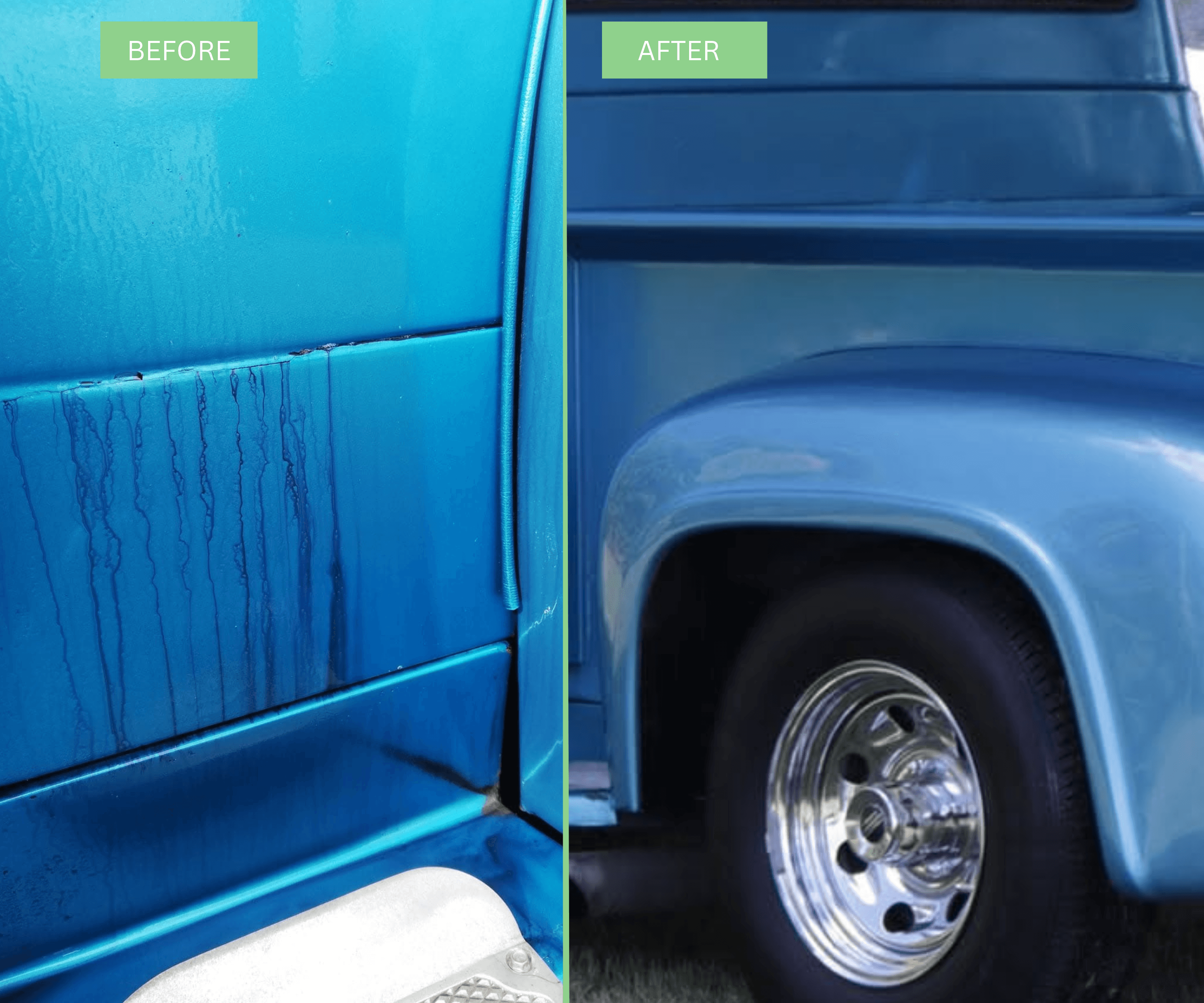
BEFORE AND AFTER IMAGES
PROTECTION - CORRECTION - REFLECTION
Imagine Your Paint Better Than the Day You Bought It
Wax wears off in weeks. A ceramic coating keeps your paint glossy, protected and easy to clean for years, and Mat will show you exactly which package suits your vehicle.
Send a few photos
Snap your paint in daylight, swirls and all.
Get Mat's recommendation
The right coating for your paint and budget, with a clear quite.
Book a time that suits
Choose a time that suits at our Riverlea workshop.

Hamilton’s Premium Paint Correction, Protection & Detailing Services
VEHICLES MARINE RVS MOTORBIKES
SERVICING
WHAT WE COVER
Vehicle Correction
Vehicle Protection
Maintenance Services
SERVICES
Jetski Detailing
Helicopter Detailing
New Car Paint Protection
Headlight Restoration
Agriculture Tinting
Marine Tinting
Commercial Tinting
Residential Tinting
CONTACT US
HOURS
Mon - Fri, 9AM - 5PM
ADDRESS
2/142 Riverlea Road, Riverlea, Hamilton 3216